
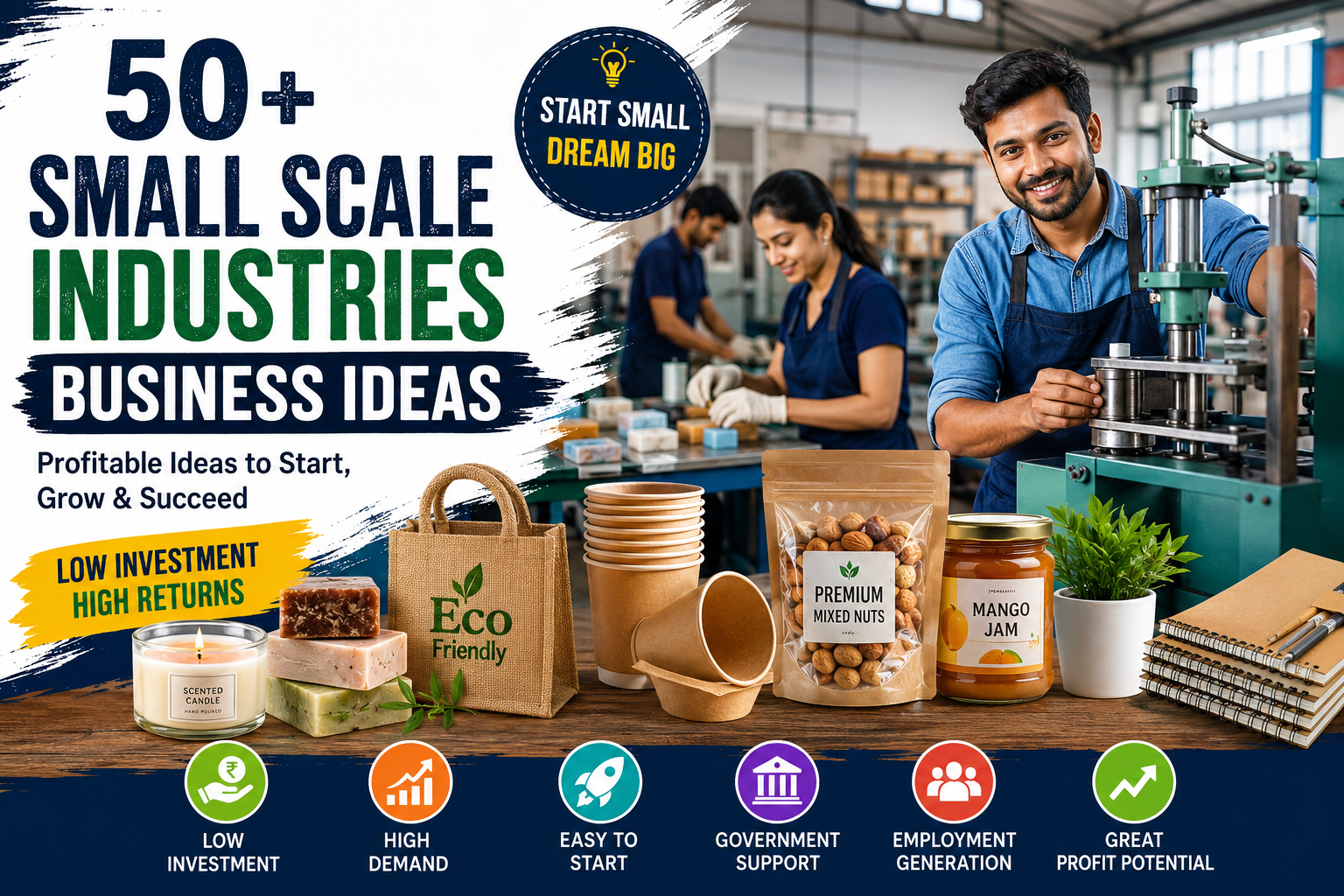
Small Scale Industries Business Ideas
Starting your own business is one of the best ways to achieve financial independence. Many successful entrepreneurs began with a small investment, limited resources, and a simple idea. Today, small scale industries business ideas play an important role in creating employment, supporting local economies, and contributing to industrial growth.
Whether you are a student, homemaker, working professional, retiree, or aspiring entrepreneur, there are hundreds of profitable small scale industries business ideas that require relatively low investment and have excellent growth potential.
The rise of online marketplaces, digital payments, social media marketing, and government support for micro, small, and medium enterprises (MSMEs) has made it easier than ever to launch a manufacturing or production-based business.
In this comprehensive guide, you will discover profitable small scale industries business ideas, understand how to choose the right business, estimate startup investment, learn about machinery requirements, explore government schemes, and find practical tips to build a sustainable business.
What Are Small Scale Industries?
Small scale industries (SSIs) are businesses involved in manufacturing, processing, assembling, or producing goods on a relatively small scale. These businesses usually operate with limited capital, fewer employees, and modest production capacity.
Many successful brands started as small scale industries before expanding nationally and internationally.
Examples include:
- Food processing units
- Candle manufacturing
- Paper products
- Soap making
- Furniture manufacturing
- Garment production
- Handmade products
- Eco-friendly packaging
Small scale industries can operate from a small workshop, rented factory, or even from home, depending on the type of products being manufactured.
Why Start a Small Scale Industry?
Starting a small scale industry offers several long-term advantages.
1. Lower Investment
Many manufacturing businesses can begin with less capital compared to large factories.
2. High Demand
Daily-use products always have buyers.
Examples include:
- Soaps
- Candles
- Packaging materials
- Bakery products
- Paper cups
- Cleaning products
3. Government Support
Many governments provide:
- Subsidies
- Business loans
- Skill development programs
- Machinery assistance
- Tax benefits
- Startup incentives
4. Scalability
A business can begin locally and later expand into regional, national, or international markets.
5. Employment Generation
As production increases, business owners can hire workers and expand operations.
How to Choose the Right Small Scale Industry
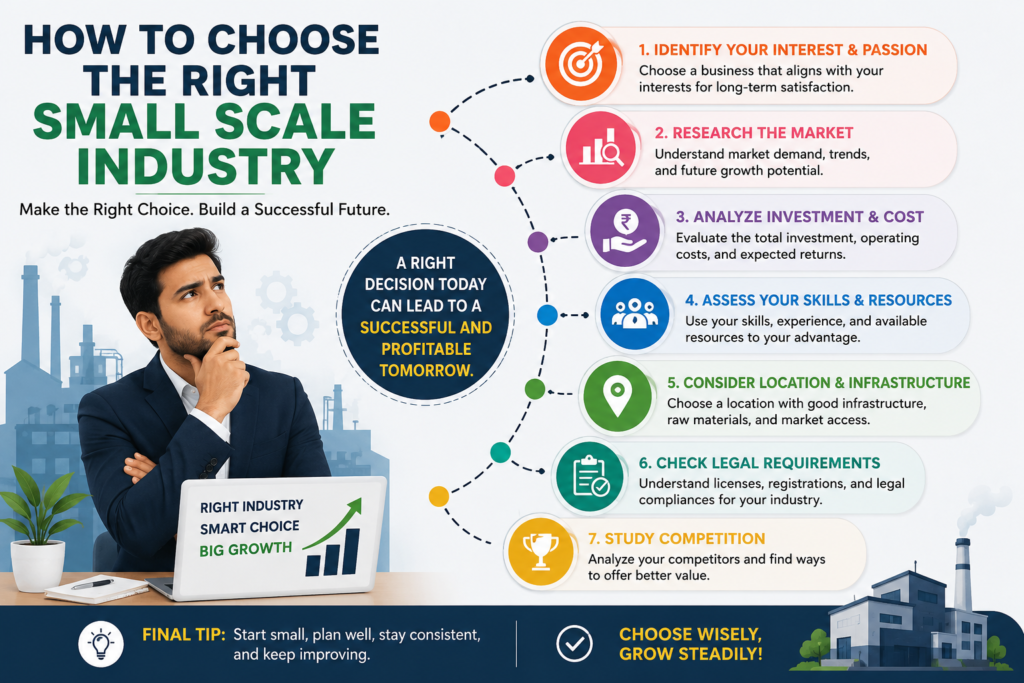
Before investing money, evaluate these factors.
Market Demand
Research whether customers actively purchase the product.
Competition
Study local competitors and identify opportunities to offer something better.
Investment
Choose a business that matches your available capital.
Profit Margin
Look for products with healthy profit margins rather than just high sales volume.
Raw Materials
Ensure raw materials are easily available throughout the year.
Machinery
Consider machinery cost, maintenance, electricity consumption, and production capacity.
Skills
Some businesses require technical knowledge while others can be learned through short training programs.
Investment Categories
| Investment | Suitable Business Type |
|---|---|
| Under $1,000 | Handmade products, candles, soaps |
| $1,000–$5,000 | Food processing, paper products |
| $5,000–$15,000 | Furniture, garment manufacturing |
| Above $15,000 | Packaging units, plastic products, engineering workshops |
1. Paper Cup Manufacturing Business
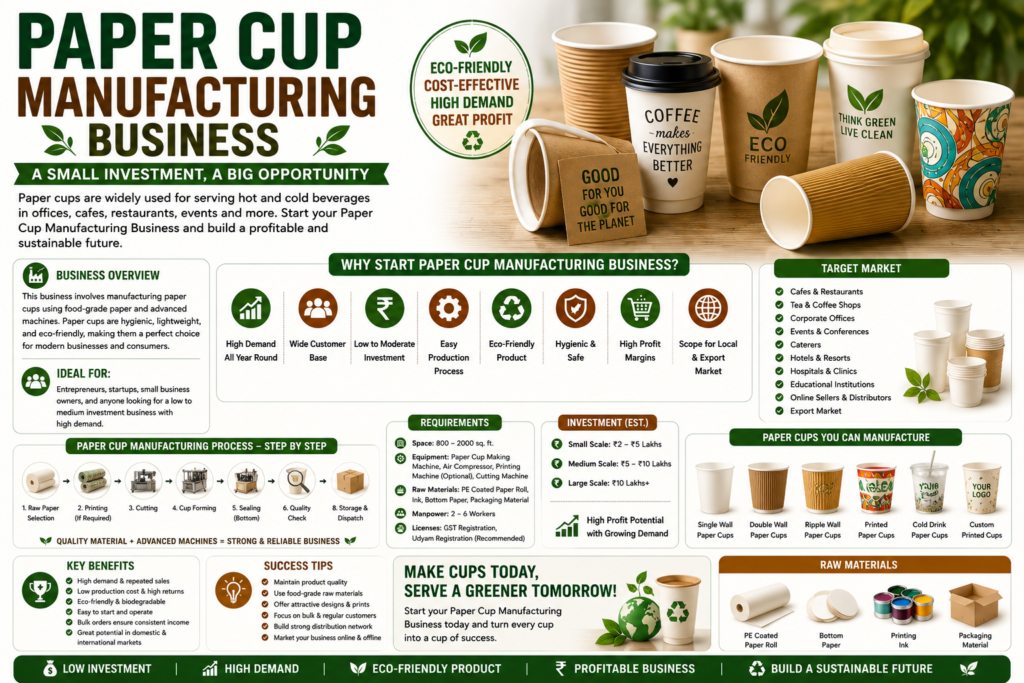
Paper cups have become increasingly popular because of the growing demand for eco-friendly alternatives to plastic.
Investment
Low to Medium
Raw Materials
- Paper rolls
- Food-grade coating paper
- Packaging material
Machinery
Automatic paper cup making machine
Customers
- Cafes
- Restaurants
- Hotels
- Offices
- Caterers
Why It Is Profitable
Demand continues to rise due to environmental awareness and the expansion of food delivery services.
2. Candle Manufacturing Business
Candles are no longer used only during power outages. Decorative, scented, and festival candles have become popular gifts and home décor items.
Investment
Low
Products
- Decorative candles
- Scented candles
- Religious candles
- Floating candles
- Luxury candles
Customers
- Gift shops
- Online buyers
- Event planners
- Retail stores
Profit Potential
Premium handmade candles often provide significantly higher margins than standard utility candles.
3. Soap Manufacturing Business
Consumers purchase soap throughout the year, making it one of the most stable manufacturing businesses.
Products
- Herbal soap
- Organic soap
- Charcoal soap
- Glycerin soap
- Baby soap
Investment
Low to Medium
Marketing Ideas
- Sell through your own website
- Partner with supermarkets
- Offer gift packs
- Use influencer marketing
4. Detergent Powder Manufacturing
Cleaning products enjoy consistent demand from homes, hotels, hospitals, schools, and commercial establishments.
Investment
Medium
Equipment
- Mixer
- Pulverizer
- Packing machine
Customers
- Grocery stores
- Wholesale distributors
- Hotels
- Cleaning companies
5. Spice Powder Manufacturing
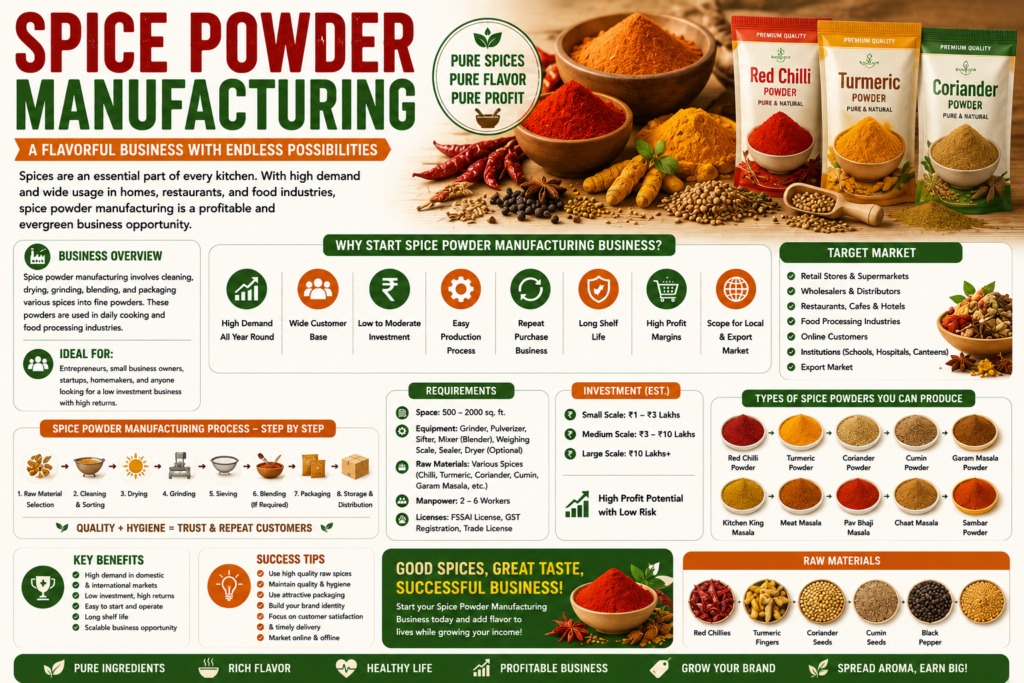
Consumers regularly purchase packaged spices, making this business suitable for both local and online sales.
Popular products include:
- Turmeric powder
- Chili powder
- Coriander powder
- Garam masala
- Black pepper powder
Advantages
- Repeat customers
- Long shelf life (with proper packaging)
- Strong export potential
6. Pickle Manufacturing
Traditional homemade pickles remain popular across many regions.
Popular varieties include:
- Mango pickle
- Lemon pickle
- Mixed vegetable pickle
- Garlic pickle
- Green chili pickle
Beautiful packaging can significantly increase perceived value.
7. Bakery Products Manufacturing
Fresh bakery items enjoy daily demand.
Popular products:
- Bread
- Cookies
- Biscuits
- Cakes
- Muffins
- Rusk
A small bakery can supply local grocery stores, cafés, schools, and restaurants.
8. Incense Stick Manufacturing
Incense sticks are used daily in many households and places of worship.
Investment
Low
Machinery
Semi-automatic or automatic incense stick making machine
Customers
- Wholesale markets
- Religious stores
- Export buyers
9. Disposable Plate Manufacturing
The food delivery industry has increased demand for disposable products.
Products include:
- Paper plates
- Areca leaf plates
- Bagasse plates
- Biodegradable plates
Eco-friendly products are expected to remain in high demand as sustainability becomes more important.
10. Cotton Bag Manufacturing
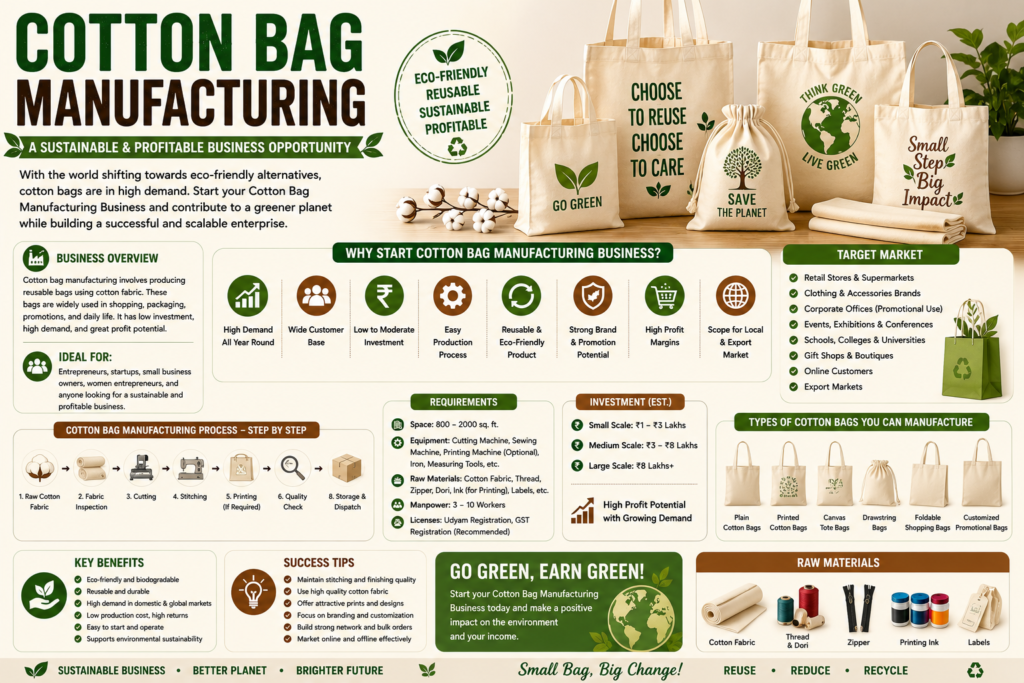
Reusable cloth bags have gained popularity as businesses and consumers reduce plastic usage.
Potential customers include:
- Grocery stores
- Fashion retailers
- Corporate companies
- Promotional agencies
Custom logo printing can increase profit margins.
Comparison Table
| Business | Investment | Skill Level | Profit Potential |
| Paper Cup | Low | Easy | High |
| Candle | Low | Easy | High |
| Soap | Low | Medium | High |
| Detergent | Medium | Medium | High |
| Spice Powder | Medium | Easy | Very High |
| Pickle | Low | Easy | High |
| Bakery | Medium | Medium | Very High |
| Incense Stick | Low | Easy | High |
| Disposable Plates | Medium | Easy | High |
| Cotton Bags | Medium | Easy | High |
Expert Tips Before Starting
- Start with a product that has steady demand throughout the year.
- Focus on quality before increasing production.
- Build a memorable brand name and logo.
- Invest in attractive packaging to stand out from competitors.
- Use social media and e-commerce platforms to reach more customers.
- Track costs carefully and maintain proper financial records.
- Gather customer feedback regularly to improve products.
- Plan for gradual expansion instead of scaling too quickly.
By choosing the right product and maintaining consistent quality, a small scale industry can grow into a successful long-term business.
11. LED Bulb Manufacturing Business
LED lighting has become the preferred choice for homes, offices, schools, and industries because it is energy-efficient and long-lasting.
Investment
Low to Medium
Products
- LED bulbs
- Tube lights
- Panel lights
- Emergency lights
Machinery
- LED assembly machine
- Testing equipment
- Soldering tools
- Packaging machine
Customers
- Electrical shops
- Builders
- Government projects
- Online marketplaces
Why It Is Profitable
Demand for energy-saving lighting continues to grow, making LED products a stable manufacturing business.
12. Garment Manufacturing Business
The clothing industry is one of the largest manufacturing sectors in the world. Even a small production unit can supply local retailers or sell directly to consumers online.
Investment
Medium
Products
- T-shirts
- School uniforms
- Women’s wear
- Children’s clothing
- Sportswear
- Work uniforms
Machinery
- Sewing machines
- Overlock machines
- Cutting machine
- Ironing equipment
Customers
- Clothing stores
- Schools
- Online buyers
- Wholesalers
Growth Opportunity
Create your own clothing brand and expand through e-commerce platforms.
13. Tissue Paper Manufacturing
Restaurants, hotels, hospitals, offices, and households require tissue paper every day.
Products
- Toilet tissue
- Kitchen rolls
- Facial tissues
- Napkins
Investment
Medium
Advantages
- Regular demand
- Repeat customers
- Bulk business opportunities
14. Organic Fertilizer Manufacturing
Organic farming is expanding rapidly, increasing demand for eco-friendly fertilizers.
Products
- Vermicompost
- Organic manure
- Bio-fertilizers
- Compost
Customers
- Farmers
- Garden centers
- Nurseries
- Agricultural stores
Why Choose This Business?
It supports sustainable farming while benefiting from the rising demand for organic agriculture.
15. Honey Processing Business
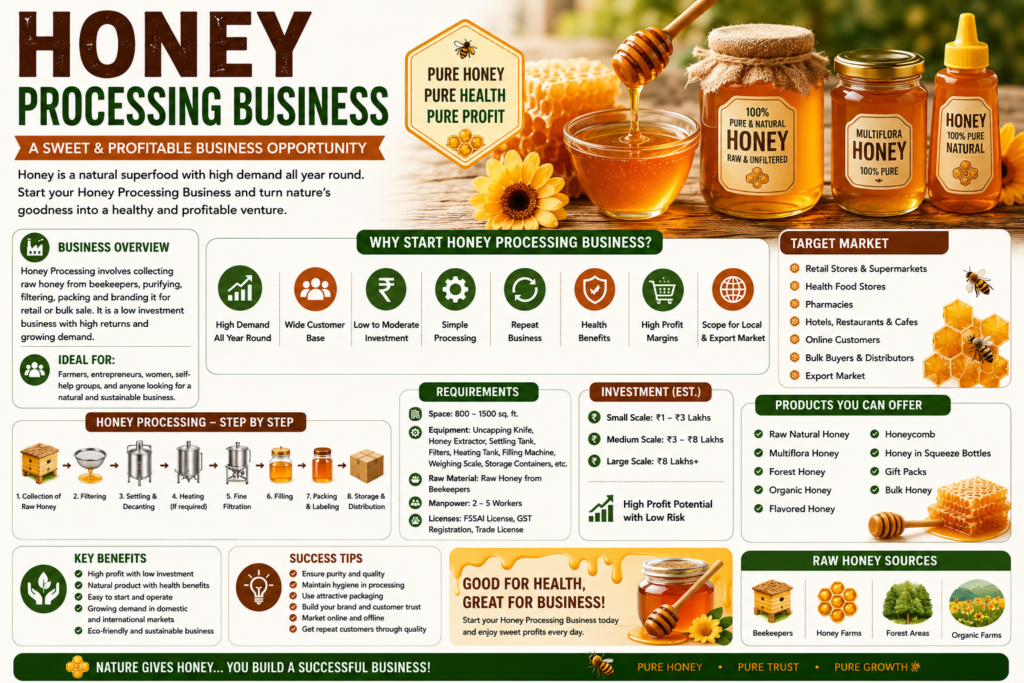
Natural honey is widely used for cooking, health, and wellness.
Investment
Medium
Products
- Pure honey
- Flavored honey
- Herbal honey
- Honey gift packs
Target Customers
- Grocery stores
- Organic food shops
- Online buyers
- Export markets
Profit Potential
Premium packaging and quality certification can help position your products at higher price points.
16. Mineral Water Plant
Clean drinking water is an essential product with year-round demand.
Investment
Medium to High
Machinery
- Water purification system
- Filling machine
- Bottle sealing machine
- Labeling machine
Customers
- Hotels
- Offices
- Schools
- Retail stores
- Event organizers
17. Furniture Manufacturing
Furniture remains one of the most profitable small manufacturing businesses.
Products
- Chairs
- Tables
- Office furniture
- Kitchen cabinets
- Wooden beds
- Storage units
Investment
Medium
Skills Required
Basic woodworking and design knowledge.
Growth Opportunity
Offer customized furniture to stand out from mass-produced alternatives.
18. Chocolate Manufacturing
Homemade and premium chocolates continue to gain popularity.
Products
- Gift chocolates
- Dark chocolate
- Sugar-free chocolate
- Handmade chocolate
- Festival gift boxes
Customers
- Gift shops
- Online customers
- Corporate clients
- Supermarkets
Marketing Tip
Seasonal packaging for holidays and special occasions can significantly increase sales.
19. Jam and Jelly Manufacturing
Processed fruit products have strong demand in retail and hospitality sectors.
Products
- Mango jam
- Strawberry jam
- Mixed fruit jam
- Orange marmalade
- Fruit jelly
Investment
Low to Medium
Advantages
- Long shelf life
- Easy transportation
- Repeat buyers
20. Noodle and Pasta Manufacturing
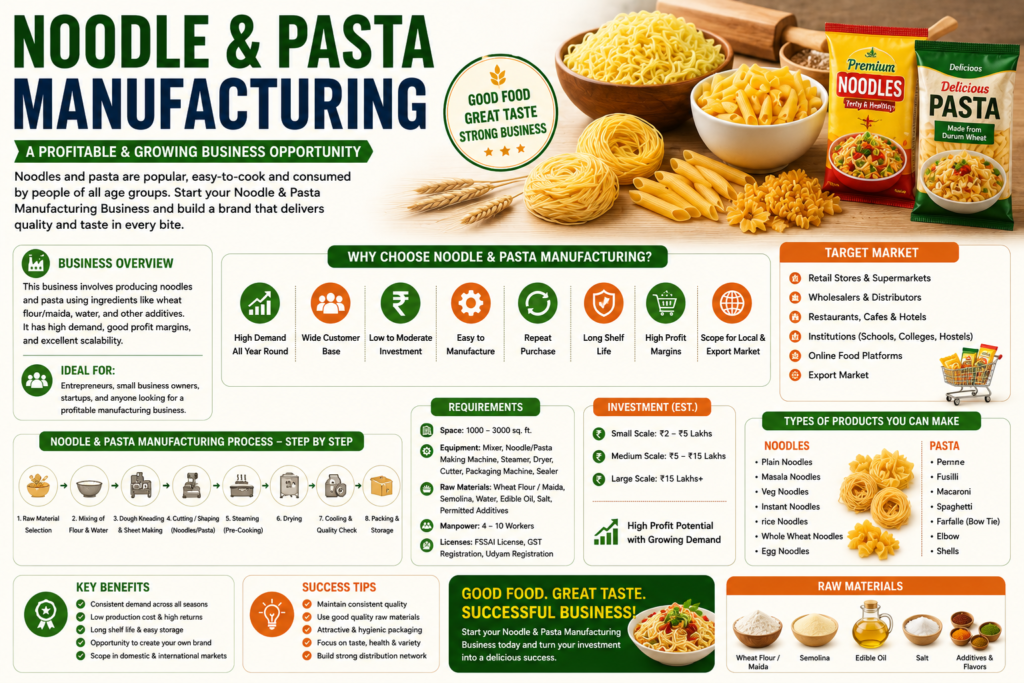
Convenience foods continue to grow in popularity.
Products
- Instant noodles
- Pasta
- Vermicelli
- Macaroni
Customers
- Grocery stores
- Wholesalers
- Supermarkets
- Restaurants
Why It Is Profitable
A wide customer base and consistent demand make this a scalable manufacturing business.
21. Plastic Household Products Manufacturing
Plastic products remain widely used across homes and businesses, although businesses should also consider recycled materials and local environmental regulations.
Products
- Storage containers
- Buckets
- Kitchen accessories
- Utility baskets
Investment
Medium to High
Customers
- Wholesale markets
- Retail stores
- Distributors
22. Eco-Friendly Packaging Manufacturing
As more businesses seek sustainable packaging, this industry offers excellent long-term potential.
Products
- Paper bags
- Corrugated boxes
- Compostable packaging
- Mailer boxes
- Food containers
Customers
- E-commerce sellers
- Restaurants
- Retail stores
- Export businesses
Future Outlook
Demand for sustainable packaging is expected to continue increasing.
23. Notebook and Stationery Manufacturing
Schools, colleges, coaching centers, and offices purchase stationery products throughout the year.
Products
- Notebooks
- Registers
- Diaries
- Drawing books
- Office files
Investment
Medium
Growth Opportunity
Supply educational institutions through long-term contracts.
24. Phenyl and Floor Cleaner Manufacturing
Cleaning products are essential for households and commercial spaces.
Products
- White phenyl
- Black phenyl
- Toilet cleaner
- Glass cleaner
- Floor cleaner
- Disinfectant
Customers
- Hospitals
- Hotels
- Schools
- Cleaning agencies
- Supermarkets
Why It Is Profitable
These products have recurring demand and can be sold in both retail and bulk quantities.
25. Handmade Decorative Products
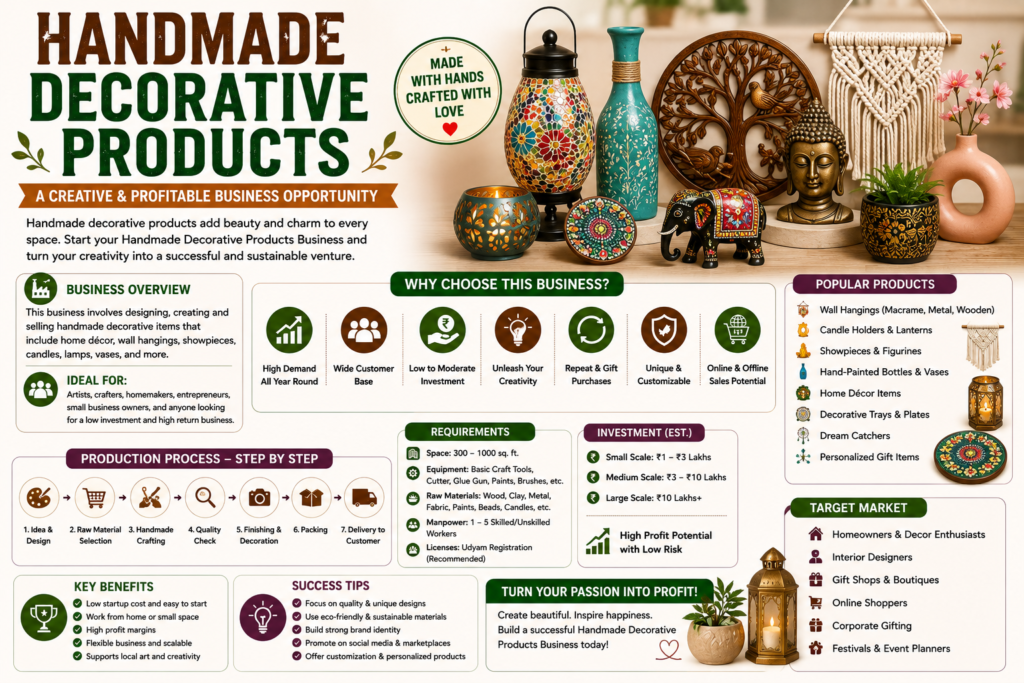
Consumers increasingly value handcrafted home décor items.
Products
- Wall décor
- Decorative lamps
- Resin art
- Wooden crafts
- Festival decorations
- Customized gifts
Investment
Low
Customers
- Online marketplaces
- Gift shops
- Interior designers
- Event decorators
Marketing Tip
Use platforms like social media, craft fairs, and your own website to showcase unique designs and reach a broader audience.
Comparison Table
| Business | Investment | Demand | Growth Potential |
|---|---|---|---|
| LED Bulbs | Low–Medium | High | High |
| Garments | Medium | Very High | Very High |
| Tissue Paper | Medium | High | High |
| Organic Fertilizer | Low–Medium | High | High |
| Honey Processing | Medium | High | High |
| Mineral Water | Medium–High | Very High | High |
| Furniture | Medium | High | Very High |
| Chocolate | Low–Medium | High | High |
| Jam & Jelly | Low–Medium | Medium | High |
| Noodles & Pasta | Medium | High | Very High |
| Plastic Products | Medium–High | High | High |
| Eco-Friendly Packaging | Medium | Very High | Very High |
| Stationery | Medium | High | High |
| Cleaning Products | Low–Medium | Very High | High |
| Handmade Crafts | Low | High | High |
Expert Advice
Choosing the right business is only the first step. Success depends on product quality, efficient operations, customer satisfaction, and consistent marketing. Start with a manageable production scale, validate demand in your target market, and reinvest profits to expand your product range and production capacity over time.
26. Bamboo Products Manufacturing
Bamboo is an environmentally friendly material that is used to manufacture household items, furniture, décor, and packaging products. As businesses and consumers shift toward sustainable products, bamboo manufacturing offers promising long-term opportunities.
Estimated Investment
Low to Medium
Products
- Bamboo baskets
- Furniture
- Toothbrushes
- Storage boxes
- Kitchen accessories
- Decorative items
Target Customers
- Home décor stores
- Hotels and resorts
- Online marketplaces
- Export buyers
27. Coconut Products Manufacturing
Coconut-based products enjoy steady demand in the food, beauty, and wellness industries.
Products
- Virgin coconut oil
- Coconut powder
- Coconut chips
- Coconut flour
- Coconut milk
Estimated Investment
Medium
Why It Has Potential
One raw material can be converted into multiple value-added products, helping improve profitability.
28. Recycled Paper Manufacturing
Businesses and consumers increasingly seek environmentally responsible products. Recycled paper manufacturing helps reduce waste while serving commercial demand.
Products
- Writing paper
- Packaging paper
- Gift wrapping paper
- Paper boards
Customers
- Printing companies
- Packaging manufacturers
- Educational institutions
29. Herbal Cosmetics Manufacturing
Demand for herbal and plant-based personal care products has grown significantly in recent years.
Popular Products
- Face wash
- Shampoo
- Hair oil
- Face cream
- Lip balm
- Body lotion
Investment
Medium
Success Tip
Use quality ingredients, comply with applicable cosmetic regulations, and build trust through transparent labeling.
30. Dairy Product Processing
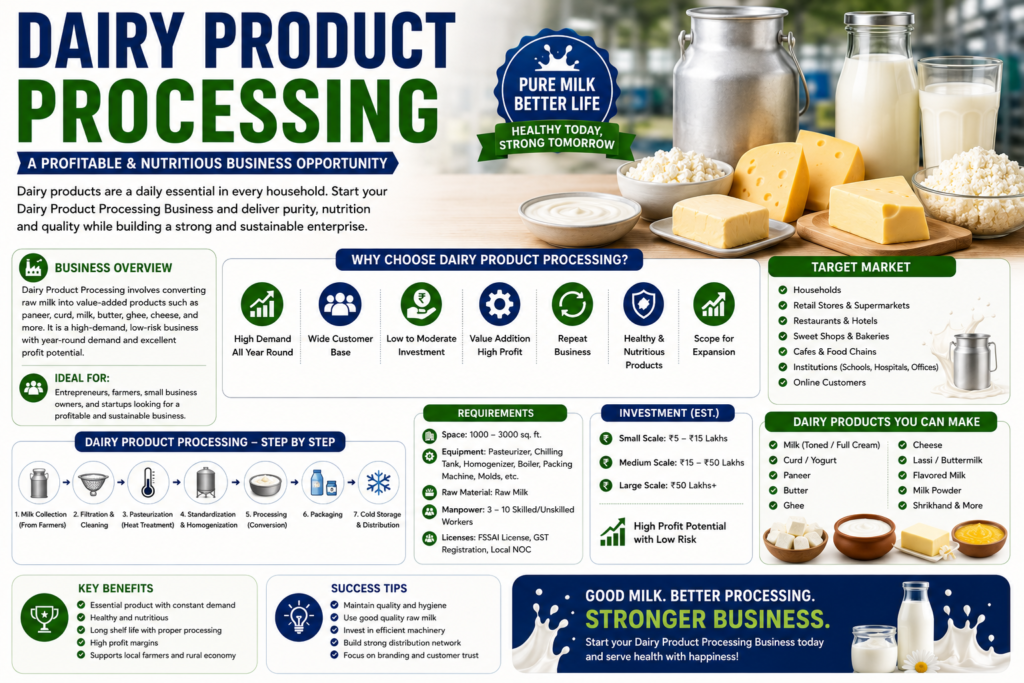
Fresh dairy products remain essential household purchases.
Products
- Paneer
- Butter
- Ghee
- Yogurt
- Flavored milk
Customers
- Restaurants
- Grocery stores
- Hotels
- Local distributors
31. PVC Pipe Manufacturing
PVC pipes are widely used in agriculture, plumbing, and construction.
Investment
Medium to High
Products
- Water pipes
- Drainage pipes
- Electrical conduit pipes
Potential Buyers
- Hardware stores
- Construction companies
- Agricultural suppliers
32. Aluminum Utensil Manufacturing
Kitchen utensils continue to experience stable demand across residential and commercial markets.
Products
- Cooking pots
- Pressure cooker components
- Serving utensils
- Kitchen accessories
Investment
Medium
33. Bakery Packaging Manufacturing
Food businesses require attractive and safe packaging.
Products
- Cake boxes
- Cookie containers
- Paper trays
- Bakery bags
Benefits
Growing bakery businesses create continuous demand for packaging suppliers.
34. Disposable Wooden Cutlery Manufacturing
Wooden spoons, forks, knives, and stirrers are becoming popular alternatives to certain single-use plastic products in many markets.
Investment
Low to Medium
Customers
- Restaurants
- Food delivery businesses
- Event organizers
- Export buyers
35. Pet Food Manufacturing
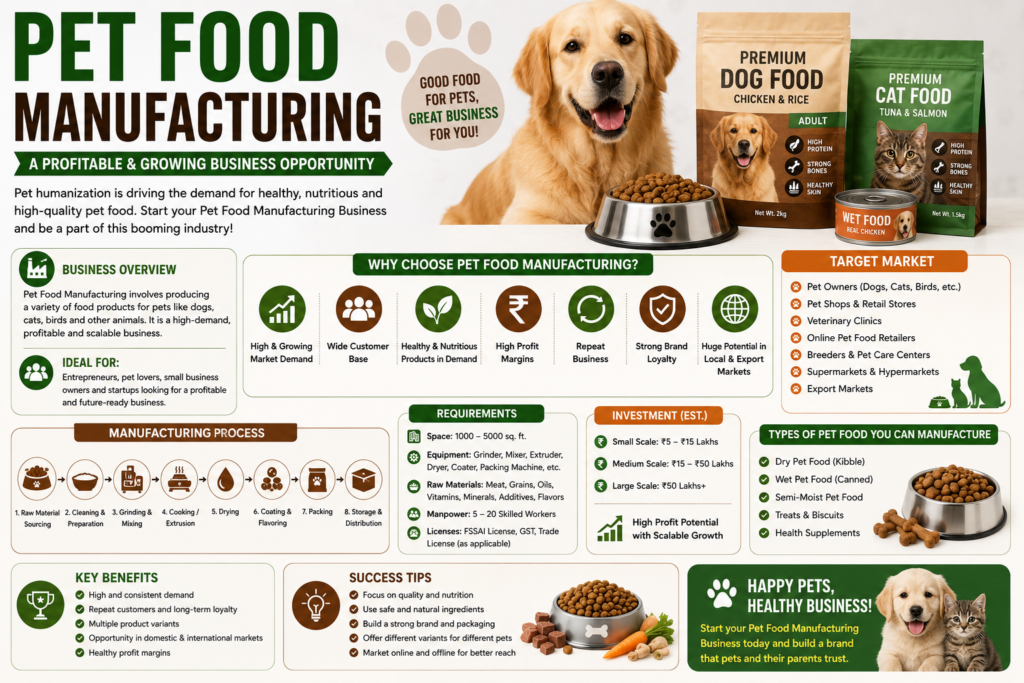
The pet care industry has expanded rapidly, creating opportunities for quality pet food manufacturers.
Products
- Dog food
- Cat food
- Healthy pet treats
Target Customers
- Pet stores
- Veterinary clinics
- Online retailers
36. Customized Gift Manufacturing
Personalized products are popular for birthdays, weddings, festivals, and corporate events.
Products
- Customized mugs
- Photo frames
- Keychains
- Printed cushions
- Personalized gifts
Investment
Low
37. Resin Art Products
Resin-based products have gained popularity in the home décor and gift markets.
Products
- Coasters
- Clocks
- Wall art
- Serving trays
- Jewelry
Best Sales Channels
- Craft exhibitions
- Online marketplaces
- Social media stores
38. Mobile Accessories Manufacturing
The smartphone industry creates demand for a wide range of accessories.
Products
- Mobile stands
- Phone covers
- Chargers
- Screen protectors
- Data cables
Investment
Medium
39. Solar Product Assembly
Renewable energy continues to grow globally.
Products
- Solar lanterns
- Solar garden lights
- Solar home lighting kits
Opportunity
Government initiatives supporting renewable energy may create additional market opportunities depending on your region.
40. School Uniform Manufacturing
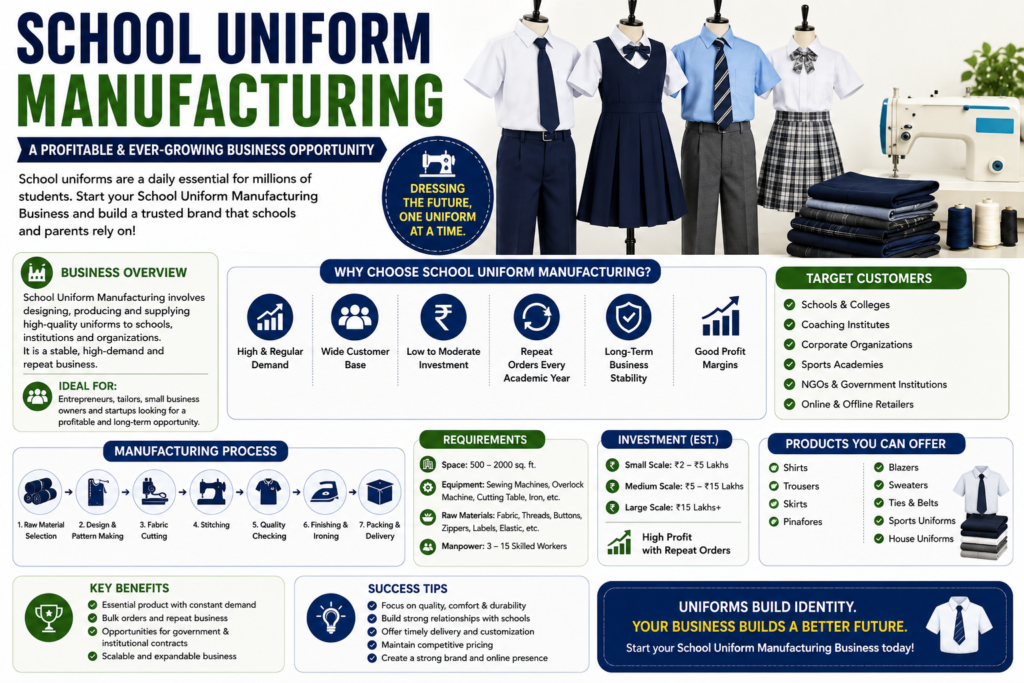
Educational institutions require uniforms every academic year.
Customers
- Schools
- Colleges
- Coaching institutes
Business Advantage
Long-term supply contracts can provide predictable revenue.
41. Eco-Friendly Cleaning Products
Consumers increasingly look for biodegradable household cleaning products.
Products
- Plant-based dishwashing liquid
- Eco-friendly floor cleaner
- Natural laundry detergent
Investment
Low to Medium
42. Handmade Paper Bag Manufacturing
Paper bags are widely used by retailers, restaurants, and gift shops.
Investment
Low
Products
- Shopping bags
- Grocery bags
- Gift bags
- Luxury paper bags
43. Ceramic Products Manufacturing
Ceramic products combine functionality with decorative appeal.
Products
- Coffee mugs
- Plates
- Bowls
- Decorative vases
Customers
- Home décor stores
- Restaurants
- Hotels
44. Sports Equipment Manufacturing
Local manufacturing of sports goods can serve schools, clubs, and retailers.
Products
- Cricket bats
- Training cones
- Fitness accessories
- Practice equipment
45. Wooden Toys Manufacturing
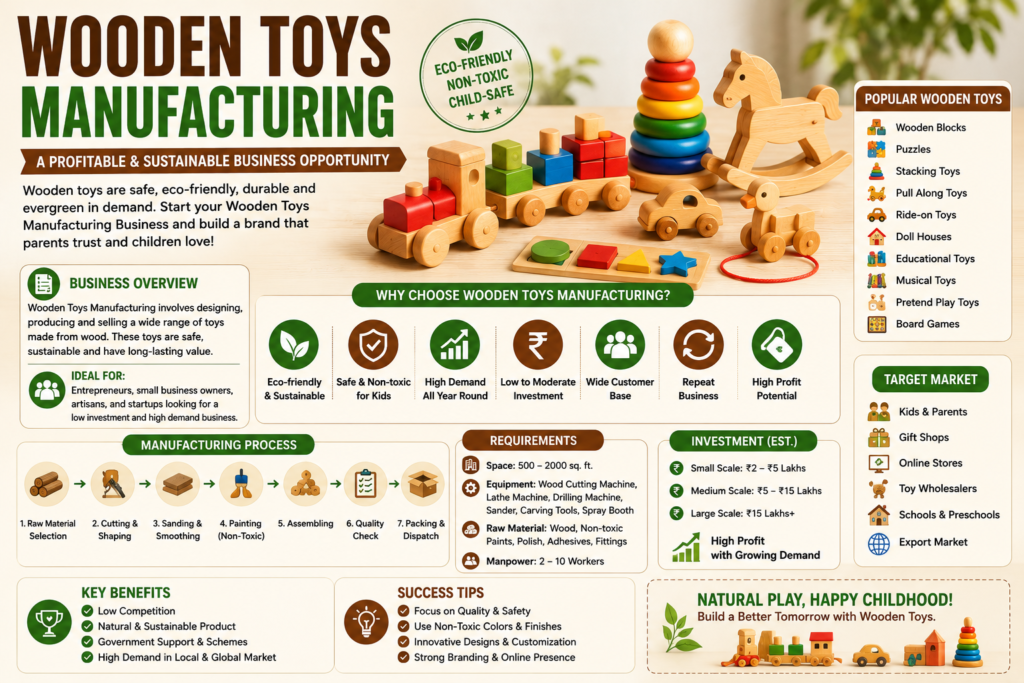
Parents increasingly seek durable and educational toys made from natural materials.
Products
- Puzzle toys
- Building blocks
- Educational toys
Growth Opportunity
Focus on quality, safety standards, and creative designs.
46. Coffee Roasting Business
Specialty coffee continues to attract loyal customers.
Products
- Roasted coffee beans
- Ground coffee
- Flavored coffee blends
Customers
- Cafés
- Online buyers
- Grocery stores
47. Flour Mill Business
Processing grains into flour remains an essential local service and manufacturing business.
Products
- Wheat flour
- Rice flour
- Millet flour
- Multi-grain flour
48. Ice Cream Manufacturing
Demand increases during warmer seasons but can remain strong year-round with proper distribution.
Products
- Cups
- Cones
- Family packs
- Premium flavors
49. Handmade Jewelry Manufacturing
Fashion accessories continue to enjoy consistent demand.
Products
- Earrings
- Necklaces
- Bracelets
- Handmade fashion jewelry
Best Platforms
- Your own website
- Social media shops
- Craft exhibitions
- Online marketplaces
50. Healthy Snack Manufacturing
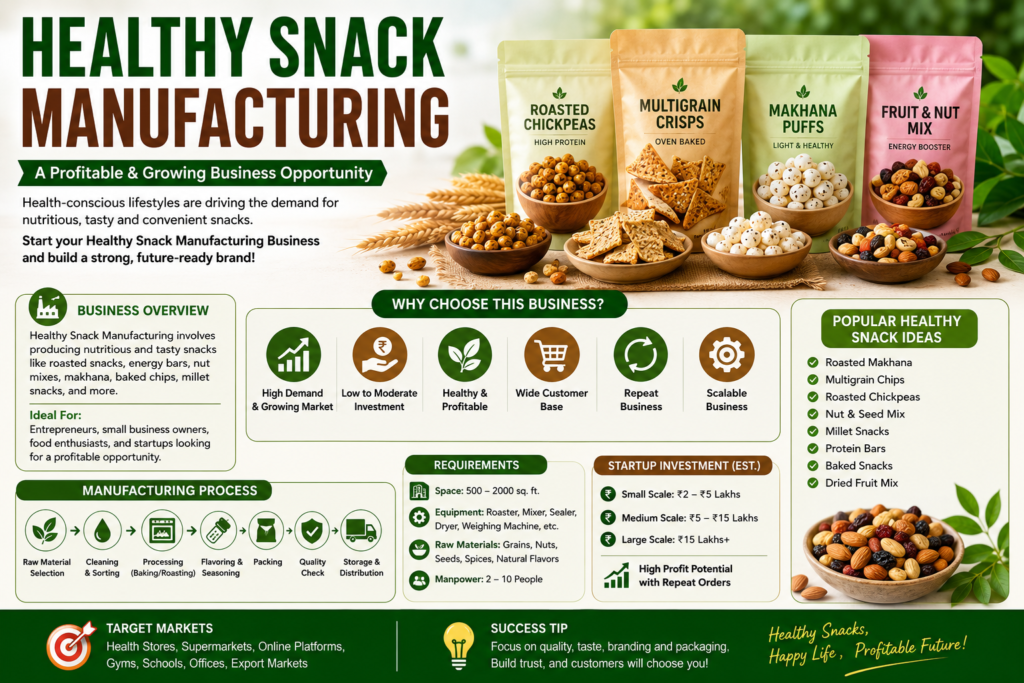
Consumers are increasingly interested in convenient and nutritious snack options.
Products
- Roasted nuts
- Granola
- Trail mix
- Millet snacks
- Baked chips
Future Outlook
As health-conscious eating continues to grow, innovative snack products can build a loyal customer base.
Which Business Should You Choose?
The best business depends on your budget, skills, local market demand, and long-term goals.
| Investment Level | Suggested Businesses |
|---|---|
| Low | Candles, paper bags, customized gifts, handmade jewelry, bamboo crafts |
| Medium | Garments, tissue paper, herbal cosmetics, healthy snacks, flour mill |
| Medium to High | PVC pipes, furniture, dairy processing, mineral water, solar products |
Key Takeaways
- Start with a product that solves a real customer need.
- Research local demand before investing.
- Focus on quality and reliable customer service.
- Build a recognizable brand with attractive packaging.
- Use digital marketing, social media, and e-commerce to reach more buyers.
- Track your costs and profits regularly.
- Reinvest earnings to expand your production capacity.
Many successful businesses began as small workshops with a single product. Careful planning, consistent quality, and a willingness to improve can help a small-scale industry grow into a sustainable enterprise over time.
How to Start a Small Scale Industry: Step-by-Step Guide
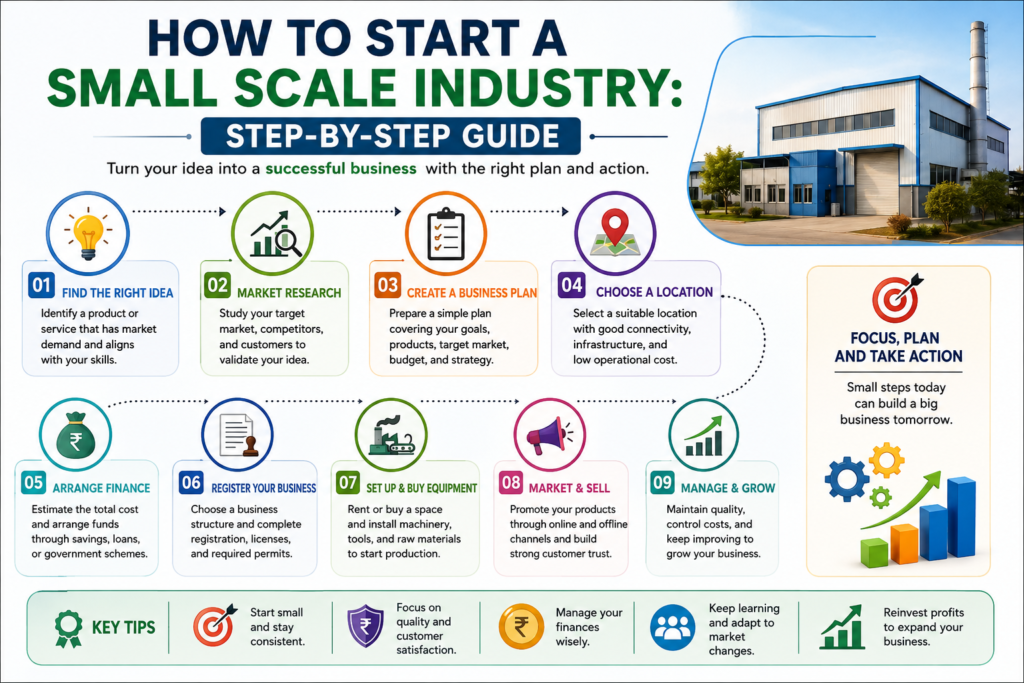
Having a great business idea is only the beginning. Turning that idea into a successful business requires planning, market research, legal compliance, and consistent execution. Follow these steps to build a strong foundation.
Step 1: Identify a Profitable Business Idea
Choose a product that meets three important criteria:
- There is steady market demand.
- You have the required skills or can learn them.
- The business fits your available budget.
Ask yourself these questions before deciding:
- Is this product needed throughout the year?
- Can I compete with existing businesses?
- What makes my product different?
- Is there room to expand in the future?
Step 2: Conduct Market Research
Market research helps reduce business risks.
Research the following:
- Who are your competitors?
- What prices do they charge?
- Which products sell the most?
- What do customers like or dislike?
- Which sales channels are growing?
Useful Research Sources
- Local wholesale markets
- Trade exhibitions
- Industry associations
- Customer surveys
- Online marketplaces
- Business directories
Understanding customer preferences before investing can save both time and money.
Step 3: Prepare a Business Plan
A business plan acts as a roadmap.
Include:
- Business objective
- Target customers
- Product range
- Startup investment
- Estimated monthly expenses
- Pricing strategy
- Marketing plan
- Revenue projections
- Expansion goals
Even a simple business plan helps you make informed decisions and can be useful if you apply for financing.
Step 4: Estimate Your Startup Budget
Your budget should include more than machinery.
Typical expenses include:
| Expense | Examples |
|---|---|
| Machinery | Production equipment |
| Raw Materials | Initial inventory |
| Rent | Factory or workshop |
| Utilities | Electricity and water |
| Licenses | Registration fees |
| Packaging | Boxes, labels, branding |
| Marketing | Website, advertising |
| Working Capital | Day-to-day operating expenses |
Always keep an emergency reserve for unexpected costs.
Step 5: Choose the Right Location
The right location depends on your industry.
Consider:
- Availability of electricity
- Water supply
- Road connectivity
- Transportation costs
- Labor availability
- Proximity to suppliers
- Access to customers
A good location can improve operational efficiency and reduce logistics expenses.
Step 6: Purchase Machinery
Choose machinery based on:
- Production capacity
- Energy efficiency
- Maintenance requirements
- Warranty and after-sales support
- Availability of spare parts
Avoid buying oversized equipment if your production needs are still small. Upgrading later is often more practical than investing heavily at the beginning.
Step 7: Arrange Raw Materials
Reliable suppliers are essential.
Before finalizing suppliers:
- Compare prices.
- Check quality.
- Confirm delivery schedules.
- Request sample materials.
- Negotiate payment terms.
Building long-term supplier relationships often leads to better pricing and consistent quality.
Step 8: Complete Business Registrations
The registrations required vary by country, state, and industry. Check with the relevant government authorities or a qualified business advisor for the requirements that apply to your business.
Depending on your location and business type, you may need:
- Business registration
- Tax registration
- Industry-specific licenses
- Food safety approval (for food businesses)
- Environmental approvals (where applicable)
- Trademark registration (optional but recommended)
Keeping your business compliant helps build credibility with customers and lenders.
Step 9: Develop Your Brand
Strong branding helps customers remember your business.
Create:
- Business name
- Logo
- Product labels
- Professional packaging
- Brand colors
- Tagline
Good branding increases customer trust and can justify premium pricing.
Step 10: Build an Online Presence
Many customers research products online before making a purchase.
Consider creating:
- A professional website
- A business profile on major search and map services
- Social media pages
- Product catalogs
- An email address using your business domain
Online visibility can help attract customers beyond your local area.
Marketing Strategies for Small Scale Industries
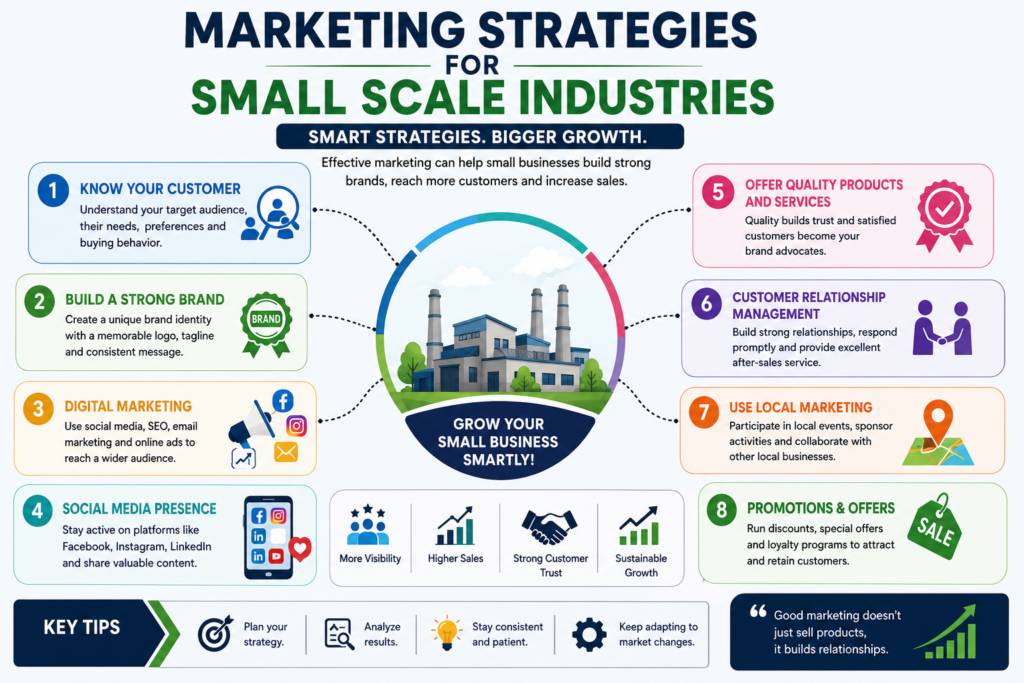
Even excellent products need effective marketing.
1. Search Engine Optimization (SEO)
Publish helpful content related to your products.
Examples:
- Buying guides
- Product comparisons
- How-to articles
- Maintenance tips
Educational content can attract visitors who are already interested in your products.
2. Social Media Marketing
Share:
- Manufacturing process videos
- Customer testimonials
- Product launches
- Behind-the-scenes content
- Success stories
Short-form videos often perform well for product demonstrations.
3. Online Marketplaces
Selling through established marketplaces can help you reach customers more quickly while you build your own brand.
4. Wholesale Partnerships
Approach:
- Retail shops
- Supermarkets
- Distributors
- Hotels
- Restaurants
- Educational institutions
Long-term supply agreements can provide consistent revenue.
5. Local Advertising
Consider:
- Trade fairs
- Business exhibitions
- Flyers
- Local newspapers
- Community events
Offline marketing can still be effective, especially for businesses serving nearby customers.
Funding Options
Common funding sources include:
- Personal savings
- Family investment
- Business partners
- Bank loans
- Government support programs (where available)
- Private investors
Compare costs, repayment terms, and eligibility before choosing a financing option.
Common Mistakes to Avoid
Many businesses struggle because of avoidable mistakes.
Avoid:
- Starting without market research
- Buying expensive machinery too early
- Ignoring product quality
- Weak branding
- Poor financial record keeping
- Depending on only one customer
- Setting prices without calculating costs
- Neglecting customer feedback
- Expanding too quickly
- Ignoring legal and regulatory requirements
Learning from these mistakes can improve your chances of long-term success.
Success Tips
- Focus on quality from the beginning.
- Keep improving your products.
- Build strong customer relationships.
- Monitor expenses carefully.
- Reinvest profits into growth.
- Stay informed about industry trends.
- Train employees regularly.
- Offer reliable after-sales support where relevant.
Final Thoughts Before Launching
A successful small scale industry rarely grows overnight. Consistent effort, careful planning, and a willingness to adapt to customer needs are often more important than starting with a large budget.
Choose a business that aligns with your interests and local demand, start at a manageable scale, and improve your operations step by step. With patience and a focus on quality, a small manufacturing business can develop into a sustainable and profitable enterprise over time.
Frequently Asked Questions (FAQs)
1. Which small scale industry is the most profitable?
There is no single business that is the most profitable for everyone. Profit depends on market demand, production costs, pricing, competition, and management. Industries such as food processing, eco-friendly packaging, cleaning products, paper products, herbal cosmetics, and customized manufacturing often have strong growth potential when operated efficiently.
2. How much investment is required to start a small scale industry?
The required investment varies by business. Some home-based manufacturing businesses can begin with a relatively small budget, while machinery-intensive industries require significantly more capital. Prepare a detailed budget before investing.
3. Can I start a manufacturing business from home?
Yes. Many businesses can initially operate from home if local laws and regulations allow. Examples include:
- Candle making
- Soap making
- Handmade crafts
- Customized gifts
- Jewelry
- Paper bags
- Incense sticks
Always verify local zoning, safety, and licensing requirements.
4. Which business has the lowest investment?
Examples include:
- Candle manufacturing
- Handmade paper bags
- Customized gifts
- Handmade jewelry
- Incense stick manufacturing
- Decorative products
5. Which industry grows the fastest?
Growth depends on consumer demand and market trends. Businesses related to sustainable products, food processing, health-focused products, packaging, and renewable energy have shown strong opportunities in many markets.
6. Do I need experience before starting?
Not necessarily. Many entrepreneurs begin after learning through training programs, workshops, or practical experience. However, understanding production processes, quality control, and business management can improve your chances of success.
7. Can I sell products online?
Yes. Many manufacturers successfully sell through:
- Their own websites
- E-commerce marketplaces
- Social media stores
- Wholesale B2B platforms
Selling through multiple channels can reduce dependence on a single source of revenue.
8. What are the biggest challenges?
Common challenges include:
- Finding customers
- Managing cash flow
- Maintaining product quality
- Competing on price
- Recruiting skilled workers
- Scaling production
Planning and continuous improvement help address these challenges.
9. Is branding important for a small manufacturing business?
Yes. A professional brand name, attractive packaging, and consistent product quality help customers recognize and trust your business.
10. How long does it take to become profitable?
Profitability depends on factors such as startup costs, pricing, production efficiency, and customer demand. Some businesses may reach profitability within months, while others require a longer period to recover initial investments.
Final Conclusion
Small scale industries continue to create opportunities for entrepreneurs who are willing to solve customer problems with quality products and consistent service. Whether you start with handmade goods, food processing, paper products, or light manufacturing, success usually comes from understanding your market, controlling costs, and building a trustworthy brand.
Instead of trying to launch many products at once, begin with one well-made product, collect customer feedback, and improve your processes over time. As demand grows, you can expand your product range, invest in better equipment, and reach new markets through digital marketing and wholesale partnerships.
The journey from a small workshop to a recognized manufacturing brand takes time, but careful planning, continuous learning, and a commitment to quality can help build a sustainable business with these small scale industries business ideas.
Natalie Kingsley is the lead author and primary contributor at Fundznests.com. She is passionate about financial education and dedicated to helping readers build confidence in managing their money, growing their wealth, and achieving long-term financial goals.
With a strong interest in personal finance, investing, retirement planning, and wealth-building strategies, Natalie creates informative and practical content designed for both beginners and experienced investors. Her writing focuses on breaking down complex financial concepts into clear, actionable insights that readers can apply to their everyday financial lives.