
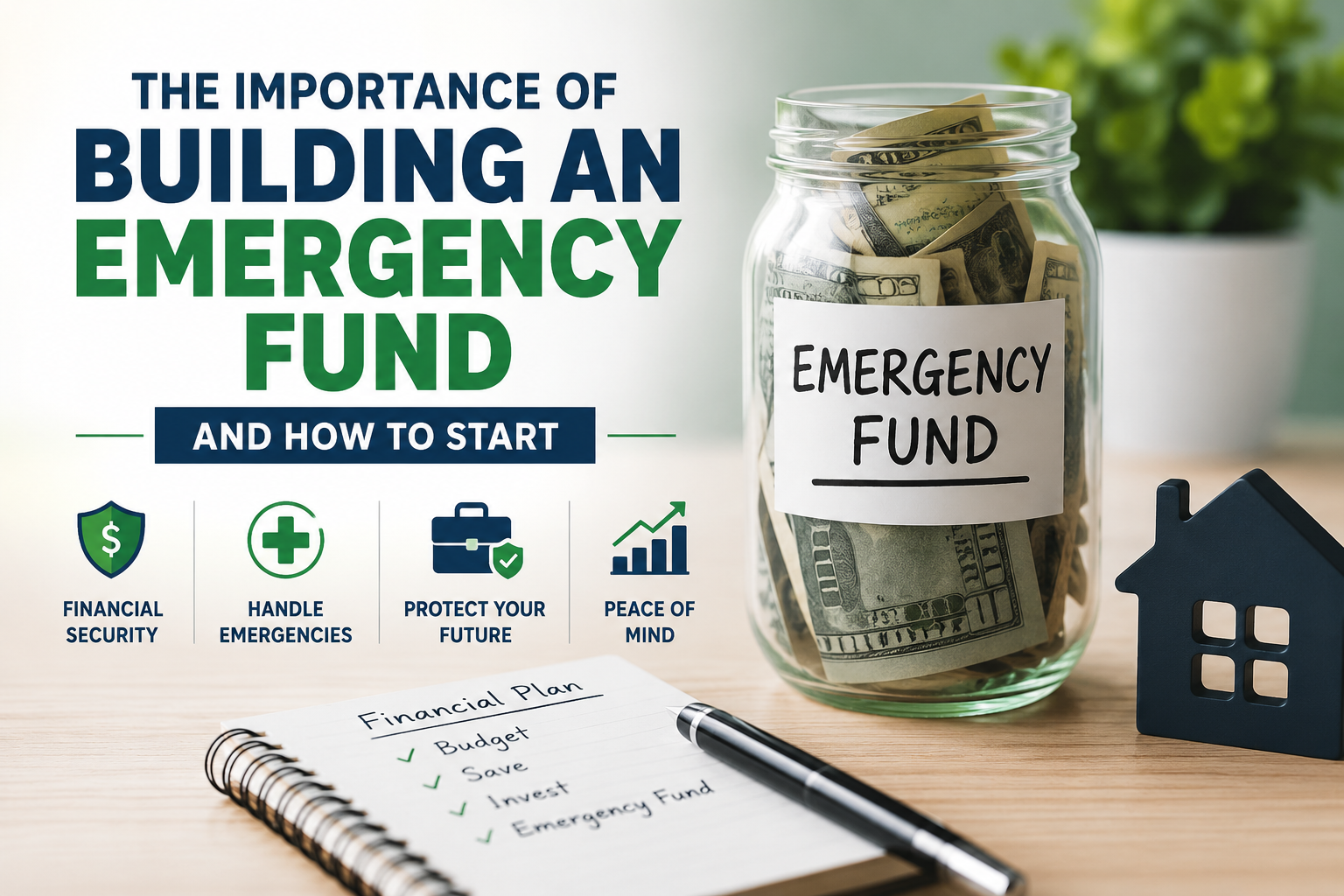
Life is unpredictable. A sudden medical bill, car repair, job loss, or home maintenance issue can disrupt your finances without warning. Many people rely on credit cards or loans to handle unexpected expenses, which often leads to debt and financial stress.
This is where an emergency fund becomes one of the most important tools in personal finance. An emergency fund provides a financial safety net that helps you manage unforeseen expenses without jeopardizing your long-term financial goals.
In this guide, we’ll explore why emergency funds matter, how much you should save, and practical strategies to start building one today.
What Is an Emergency Fund?
An emergency fund is money set aside specifically for unexpected expenses or financial emergencies. It is not intended for vacations, shopping, entertainment, or planned purchases.
Common situations where an emergency fund can help include:
- Medical emergencies
- Job loss or income reduction
- Unexpected car repairs
- Home maintenance issues
- Family emergencies
- Urgent travel expenses
- Major appliance replacements
The primary purpose of an emergency fund is to provide financial stability during difficult times.
Why Building an Emergency Fund Is Important
1. Provides Financial Security
Having emergency savings creates peace of mind. Knowing that you have money available for unexpected situations reduces anxiety and helps you feel more financially secure.
Financial emergencies can happen at any time. An emergency fund ensures you are prepared.
2. Prevents Debt Accumulation
Without emergency savings, many people turn to credit cards, payday loans, or personal loans when unexpected expenses arise.
These borrowing methods often come with high interest rates that can create long-term financial problems.
An emergency fund allows you to pay for emergencies using your own money rather than borrowing.
3. Protects Your Long-Term Investments
Many investors are forced to sell investments during emergencies because they lack liquid savings.
This can result in losses, taxes, and missed future growth opportunities.
A dedicated emergency fund helps keep your investment portfolio intact during financial setbacks.
4. Helps During Job Loss
Job loss is one of the most significant financial challenges anyone can face.
An emergency fund can cover:
- Rent or mortgage payments
- Utility bills
- Groceries
- Insurance premiums
- Transportation costs
This financial cushion provides valuable time to search for new employment without making desperate financial decisions.
5. Reduces Financial Stress
Money-related stress affects mental health, relationships, and overall well-being.
Having a well-funded emergency account can significantly reduce worry and help you focus on solving problems rather than finding money to cover them.
How Much Should You Save?
The ideal emergency fund size varies depending on your situation.
Beginner Goal: $500 to $1,000
If you’re just starting, aim for a small emergency fund first.
This amount can cover many minor emergencies such as:
- Car repairs
- Medical expenses
- Appliance breakdowns
Achieving this initial goal builds confidence and momentum.
Intermediate Goal: 3 to 6 Months of Expenses
Most financial experts recommend saving enough to cover three to six months of essential living expenses.
These expenses include:
- Housing
- Utilities
- Food
- Insurance
- Transportation
- Loan payments
For example:
| Monthly Expenses | 3-Month Fund | 6-Month Fund |
|---|---|---|
| $2,000 | $6,000 | $12,000 |
| $3,000 | $9,000 | $18,000 |
| $4,000 | $12,000 | $24,000 |
Advanced Goal: 6 to 12 Months of Expenses
Individuals with variable income, self-employment income, or unstable employment may benefit from maintaining a larger emergency reserve.
Where Should You Keep Your Emergency Fund?
Your emergency savings should be:
- Easily accessible
- Safe from market volatility
- Separate from everyday spending accounts
Good options include:
High-Yield Savings Accounts
These accounts typically offer competitive interest rates while maintaining liquidity.
Benefits include:
- Easy access to funds
- FDIC or equivalent protection
- Interest earnings
Money Market Accounts
Money market accounts often provide higher interest rates than traditional savings accounts while maintaining flexibility.
Cash Management Accounts
Many financial institutions now offer cash management solutions with attractive yields and convenient access.
Avoid investing emergency funds in:
- Stocks
- Cryptocurrencies
- Real estate
- Long-term certificates of deposit with penalties
Emergency savings should prioritize safety over growth.
How to Start Building an Emergency Fund
Step 1: Set a Clear Savings Goal
Determine how much you want to save.
Examples include:
- First milestone: $500
- Second milestone: $1,000
- Long-term goal: 3 to 6 months of expenses
Specific goals make progress easier to track.
Step 2: Create a Budget
Review your monthly income and expenses.
Look for areas where spending can be reduced, such as:
- Dining out
- Streaming subscriptions
- Impulse purchases
- Unused memberships
Redirect these savings into your emergency fund.
Step 3: Automate Your Savings
Automation is one of the most effective strategies.
Set up automatic transfers from your checking account to your emergency savings account every payday.
Even small contributions add up over time.
Step 4: Save Windfalls
Unexpected income can accelerate your progress.
Consider allocating part of the following toward your emergency fund:
- Tax refunds
- Bonuses
- Cash gifts
- Side hustle income
- Freelance earnings
Step 5: Open a Dedicated Savings Account
Keeping emergency savings separate reduces the temptation to spend the money.
A dedicated account also helps you track progress more effectively.
Step 6: Increase Contributions Gradually
As your income grows, increase your monthly savings amount.
Small increases can significantly impact your emergency fund over time.
Common Mistakes to Avoid
Using the Fund for Non-Emergencies
A sale on a new gadget or an unplanned vacation is not an emergency.
Only use emergency savings for genuine financial crises.
Keeping Too Little Cash
A small emergency fund may not be enough to cover significant financial disruptions.
Continue building your savings after reaching your first milestone.
Ignoring Inflation
As living expenses increase, your emergency fund should grow accordingly.
Review your savings target annually.
Not Replenishing the Fund
If you use emergency savings, prioritize rebuilding the account as soon as possible.
This ensures you’re prepared for future unexpected expenses.
Emergency Fund Strategies for Different Income Levels
For Beginners
- Start with $10 to $20 per week.
- Use automatic transfers.
- Focus on consistency.
For Families
- Aim for larger reserves.
- Consider childcare and healthcare expenses.
- Review emergency needs regularly.
For Freelancers and Business Owners
- Maintain 6 to 12 months of expenses.
- Account for income fluctuations.
- Save aggressively during high-income periods.
Benefits Beyond Financial Protection
An emergency fund does more than cover unexpected expenses.
It can also:
- Improve financial confidence
- Support better investment decisions
- Reduce reliance on debt
- Increase financial independence
- Improve overall quality of life
Financial resilience begins with having cash available when you need it most.
Final Thoughts
Building an emergency fund is one of the smartest financial decisions you can make. It serves as a safety net that protects you from unexpected expenses, reduces financial stress, and helps you avoid costly debt.
The best time to start is today. Even small contributions can grow into a substantial financial cushion over time. Focus on consistency, automate your savings, and gradually build toward a goal that covers several months of living expenses.
A strong emergency fund provides stability, confidence, and peace of mind—allowing you to navigate life’s uncertainties with greater financial security.
FAQs
How much should I have in an emergency fund?
Most financial experts recommend saving three to six months of essential living expenses. Beginners can start with $500 to $1,000.
Where should I keep my emergency fund?
A high-yield savings account or money market account is usually the best choice because it offers accessibility and security.
Should I invest my emergency fund?
No. Emergency funds should remain in low-risk, liquid accounts that preserve capital.
How long does it take to build an emergency fund?
The timeline depends on your income, expenses, and savings rate. Consistent contributions can help you reach your goal faster than expected.
Can I use my emergency fund for vacations?
No. Emergency funds should only be used for unexpected and necessary expenses.
Natalie Kingsley is the lead author and primary contributor at Fundznests.com. She is passionate about financial education and dedicated to helping readers build confidence in managing their money, growing their wealth, and achieving long-term financial goals.
With a strong interest in personal finance, investing, retirement planning, and wealth-building strategies, Natalie creates informative and practical content designed for both beginners and experienced investors. Her writing focuses on breaking down complex financial concepts into clear, actionable insights that readers can apply to their everyday financial lives.